
Most Christmas windows are decorated. Very few are designed to sell. The difference is not the budget, and it is rarely the concept. It is three things the decoration hides: the facade that stops a person from ten meters away, the light that makes one product the hero, and the price of the hero that turns a “look” into a “step through the door”.
In the previous article How to Design a Holiday Store That Sells we covered the inside strategy, starting from the commercial goal before a single ornament. This is the execution layer: the three tactical levels that decide whether a beautiful window becomes a buying one. Get these right and the concept works. Get them wrong and the most expensive display in the street still reads as noise. This is not about creativity, you can have your window already set, and approach it today with these tweaks to get the most of it.
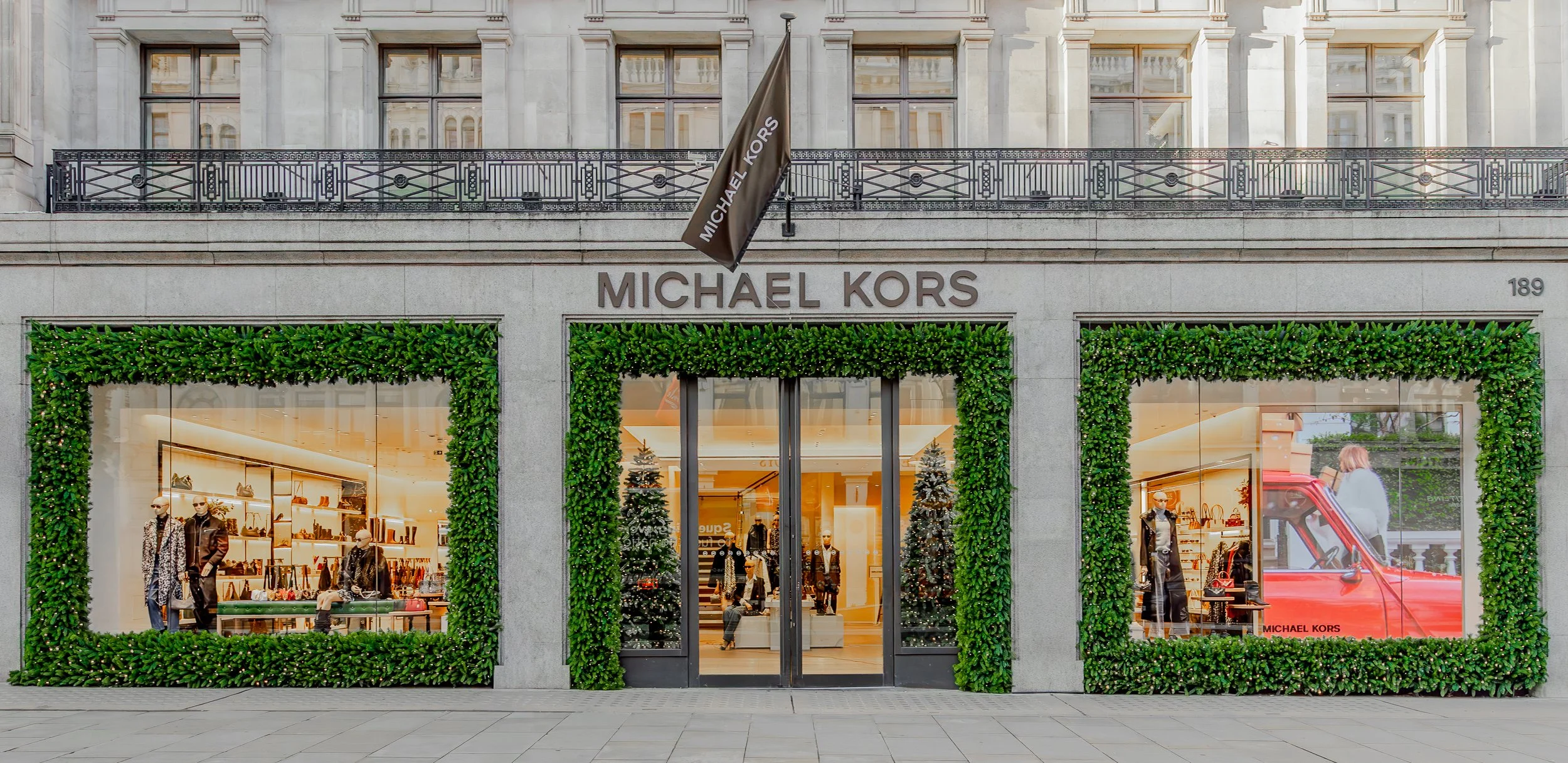
The facade sells before the window does
A shopper meets the feeling of your store before they meet your window. They meet the facade: the sign, the entrance, the lit threshold, the first impression from across the street. In December that approach is crowded, fast, and competitive. Every storefront is shouting the same red and gold. So the question is not "is my window pretty." It is: from ten meters away, what does my facade promise ?
A facade that promises clarity pulls the eye, and a shopper under time pressure reads heavy offer as effort. Keep it clean and lit. Give the approaching eye one reason to slow down, and experience something around a feeling. This is the same principle as the decompression zone inside the store, where the first few meters are for transition, not selling. Outside of the store, the facade is doing that transition work on the pavement, and it has about two or three seconds to do its magic.
Ask yourself the honest question before you change or add anything: is this element helping someone decide to come in, or is it just more “December”?
Light is most of the window
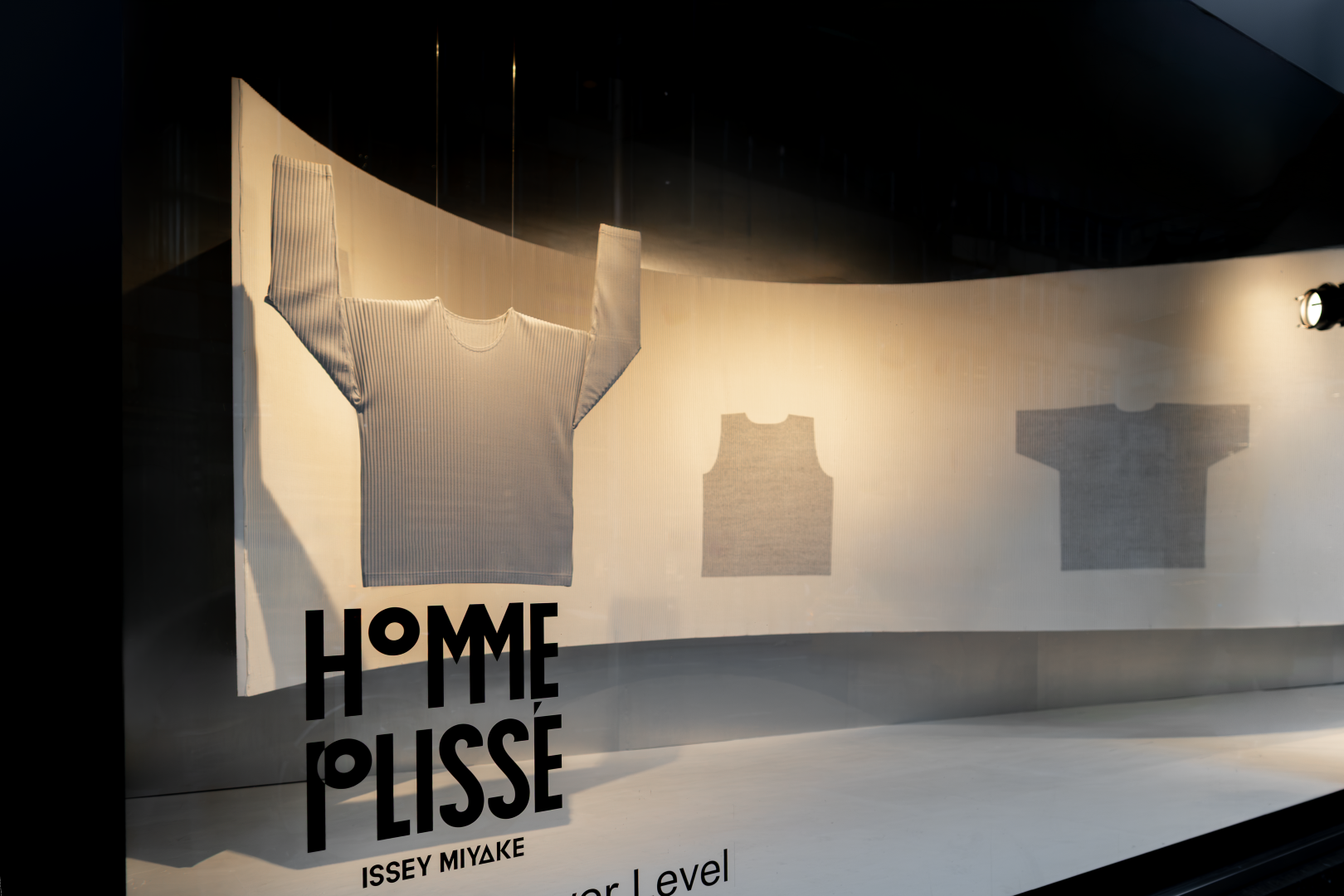
Lighting is the single biggest difference between a window that sells and one that merely exists. You can have the right product, the right composition, the right story, and lose all of it to flat, even light that treats a hero product and an empty corner the same way.
A effective window works on hierarchy. The hero is the brightest thing in the frame, and everything around it is deliberately in second or third level. The eye goes to light before it goes to anything else, so you are using light to say "look here first." Flat ambient light removes that instruction and leaves the shopper to find the focal point on their own, which, at Christmas, under time pressure and rainy weather, they will not do.
Temperature carries the emotion. Warm light reads as intimate, nostalgic, candlelit, the family table. Cooler, brighter light reads as festive, modern, celebratory, the party. Neither is correct if it is not intentional. The correct one is the one that matches who your brand is this season, the message and the feeling you want to convey. If you can’t change the light now, you can use a Transparent Color Film Sheets. Think of the brand as a person: is that person hosting a quiet nostalgic Christmas, or throwing the bright loud one? Light the window as that person would light their home.
And light the product, not just the scene. A gift under a single well-aimed light looks like a treat. The same gift under flat fill looks like stock.
Price is a hook
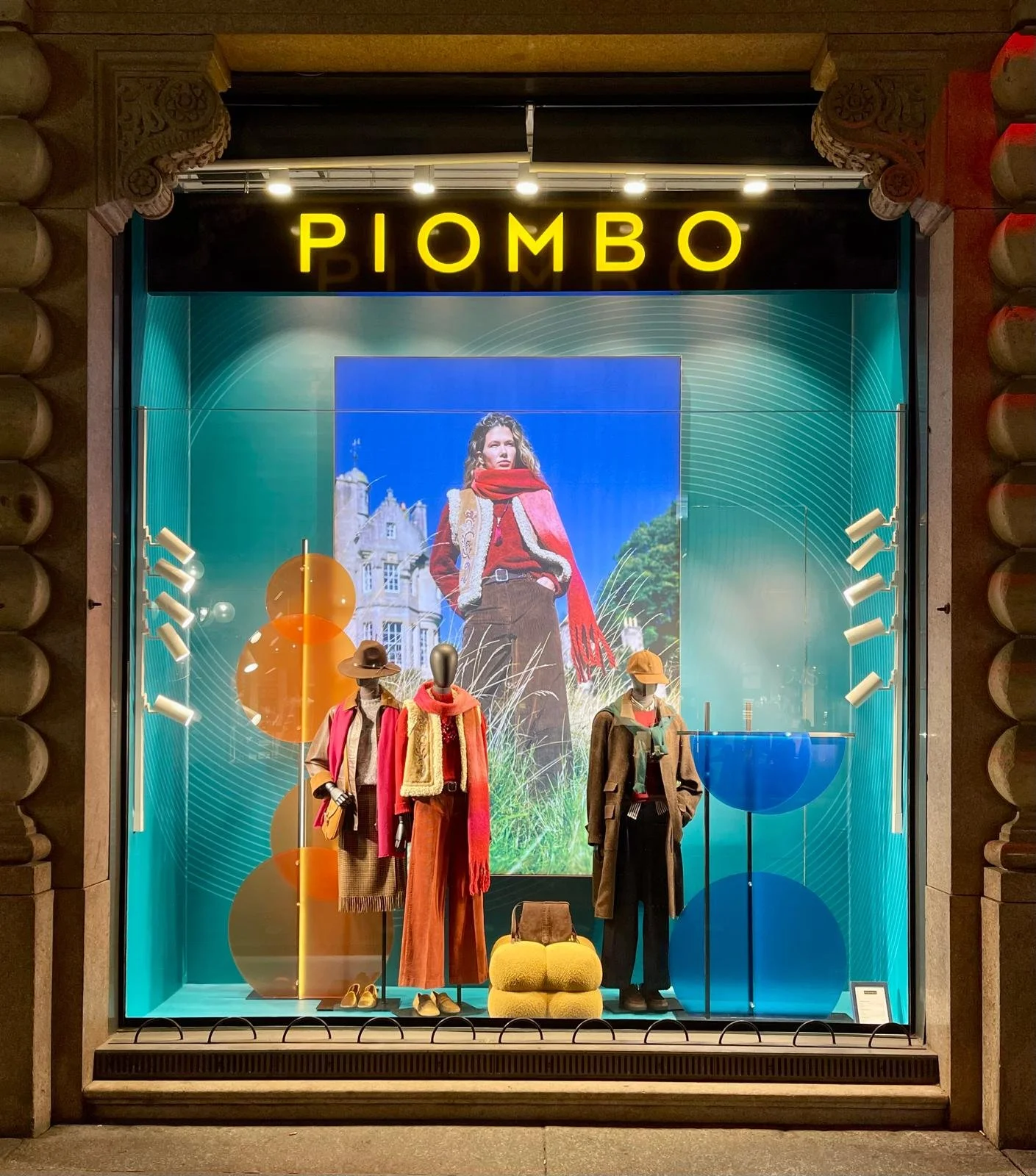
A window creates desire. A price converts it into a step inside. The two work together, and in December the pairing is at its most powerful, because the shopper standing in front of your door need ideas and is looking for a reason to decide.
Put a reason in the window. Beside the hero, show the gift-ready item at an impulse price point, something in the brand's first price quartile that a hesitating shopper can say yes to without a negotiation in their own head. You are not discounting the brand. You are showing the price ladder offer lowering the friction of the first yes. The expensive hero sets the aspiration; the accessible companion gives permission to walk in. The comparison gives a framework for the brain to be at ease with the choose.
Then let the cross-sell complete the idea. The complementary product beside the hero, the special wrapping next to the gift, the "and this finishes it" that a gift-buyer will take. Every one of those decisions should carry the least possible friction, because the Christmas shopper is not browsing for themselves. They are on a mission for someone else, and the window that makes that mission easier is the one they choose.
The window has to survive six weeks
A window that looks perfect on installation day and collapses by mid-December is a failed window, however beautiful the photograph. The season is the real test, and it is an operational one. Traffic disturbs displays faster. The hero sells through and has to be restocked without breaking the composition or re-aiming every light. The whole thing has to keep working through the heaviest six weeks of the year.
So design the maintenance needs from the start. The hero's restock should not require dismantling the scene. The lighting should hold its aim when product rotate. The composition should survive a staff member reaching in at the busiest hour. This is the invisible half of the craft, and it is where the discipline separates professionals from decorators. Build the operational logic into the design, or the season will take the design apart for you.
A five-question Christmas window audit
Stand on the pavement in front of your window tomorrow and answer these:
From ten meters, does the facade promise something clear, or just more December?
In the window, what is the single brightest thing, and is it the thing you most want to sell?
Does the light temperature match who the brand is this season, or is it generic ?
Is there price ladder strategy offer related to the main product?
Will this window still look designed after three weeks of peak traffic and restocking?
If any answer made you pause, the window can be optimized, and the fix is almost never more decoration. It is better strategy.
The season rewards the work
Christmas is where visual merchandising is under the most pressure and matters the most, executed at the highest speed in front of the largest audience of the year. The facade has to stop, the light follow commercial goals, the price motivates the step, and the operational plan keeps all three working for many weeks. Its not decoration, its strategy, and the most productive display work a store does all year.
What turns a seasonal window from beautiful into commercial, is what we teach step by step, with practical assignments, in Store Design & Merchandising: Maximize the Retail Space, the foundation course of our Complete Program.
Frequently asked questions
What makes a Christmas window actually sell, not just look good?
Three tactical actions beyond the concept: a facade approach with clarity from a distance, lighting that makes one hero product the brightest thing and the first in hierachy to look at, and a reason to come in at an accessible impulse price point. Concept and visuals create atmosphere; these three create the decision to enter and buy.
What lighting is best for a retail Christmas window?
Light for contrast and deeped: the hero product should be the brightest point, with the surround deliberately darker. The season It’s about the magic in the night, and winter, so match the light around it. Match the colour temperature to the brand's personality, warm for intimate and nostalgic, cooler and brighter for festive and celebratory. Are they staying in, or going out? And attention to correct light the product that make it look desirable rather than merely stocked.
Enjoyed this article? The STEER Retail Brief delivers one editorial like this per month.
This article was written by Diana Paiva, founder and lead instructor at STEER Academy
