
The Invisible Marketer: Why Store Design Is Still Retail's Most Important Touchpoint
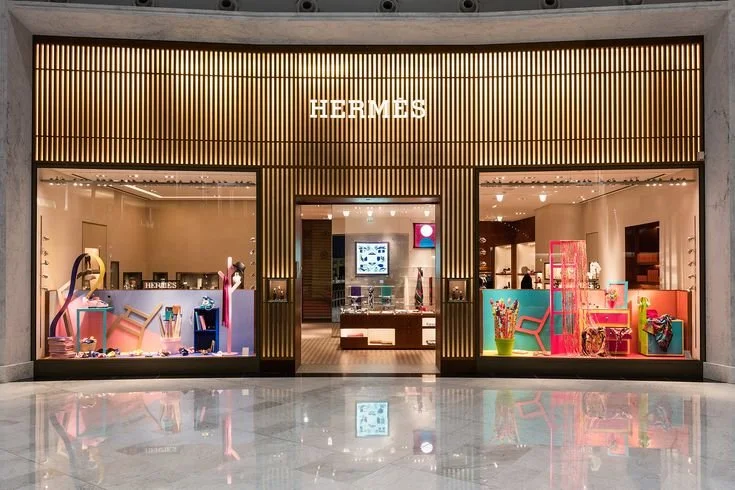
Store design is invisible, no one notices the decisions behind it, the customer simply feels the space and navigate through it unconsciously. That invisibility is the discipline's greatest strength and mostly its greatest professional disadvantage. A store that quietly does its job earns no applause. And yet it may be the most important piece of marketing a retail brand ever produces.
The store never stopped being where retail happens
It is easy to assume the physical store would been eclipsed when e-commerce boomed. The data said otherwise. Researchers project that physical stores will account for roughly 80% of global retail sales in 2025, meaning more than four in five purchases still happen in a physical space. This is not nostalgia, it is where the majority of commerce, and the majority of brand experience, still lives. Even the generation raised online confirms it: in an ICSC survey, 97% of Gen Z said they shop in physical stores.
What has changed is the store's job. The future of retail is experience design, the store is no longer only a place to shop, but the place where a brand is felt with all the senses. Retail design is becoming less about the product display and more about brand immersion: storytelling, identity, and a sense of belonging. The store has become the brand's most relevant positioning argument. And someone has to build that argument.
Strategy mistaken for taste
There is a conversation happening among retail professionals right now, and it circles the same frustration: we expect store design and visual merchandising to drive sales, yet we still treat them as decoration - something subjective, a matter of personal taste rather than commercial strategy. The result is a discipline judged on perception instead of numbers, and results that are rarely measured at all.
But one thing is certain: guessing is not creativity.
A well-designed retail space is a sequence of intentional commercial decisions - where the eye lands, ergonomy of how a customer moves, what and how they reach for, how long they stay in store.
Treating that work as instinct, rather than as the trained discipline it is, is exactly what leaves value on the table. Is not only important for Retail Designers and Visual Merchandisers to know and request for numbers, but to commercial managers to share and request results analyses for each action.
And make no judgment that a creative professional dosent work with numbers, The most inspiring display can begin with an insight buried in a spreadsheet.
Why the experience cannot be improvised
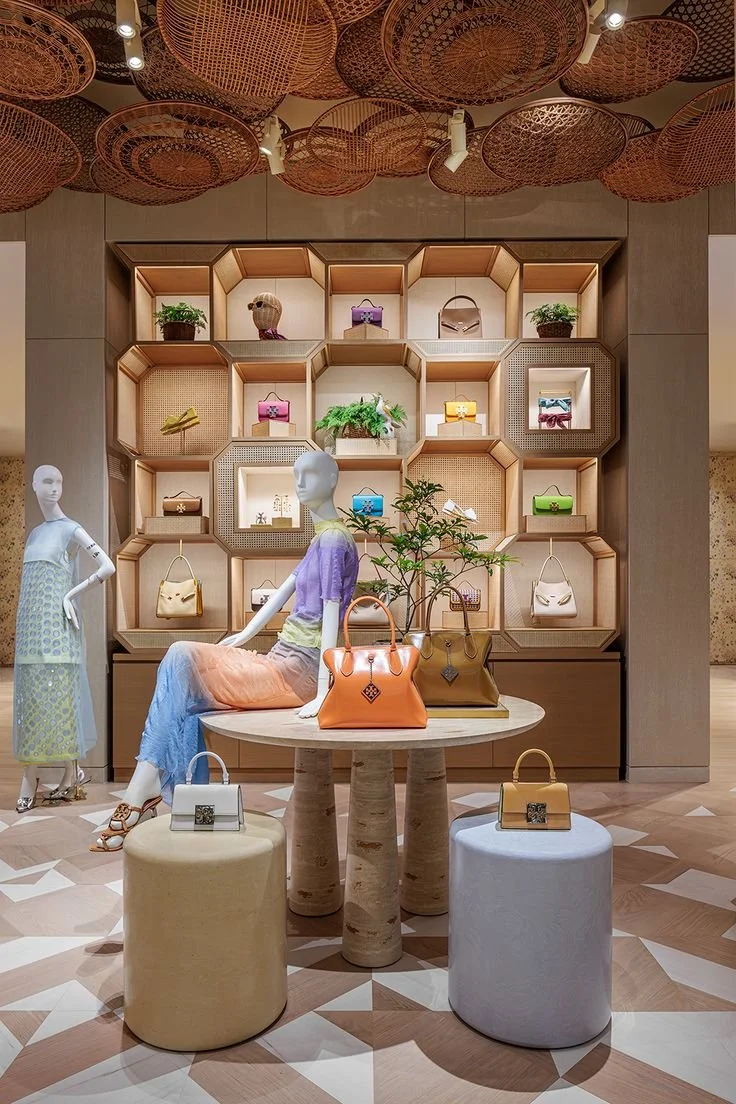
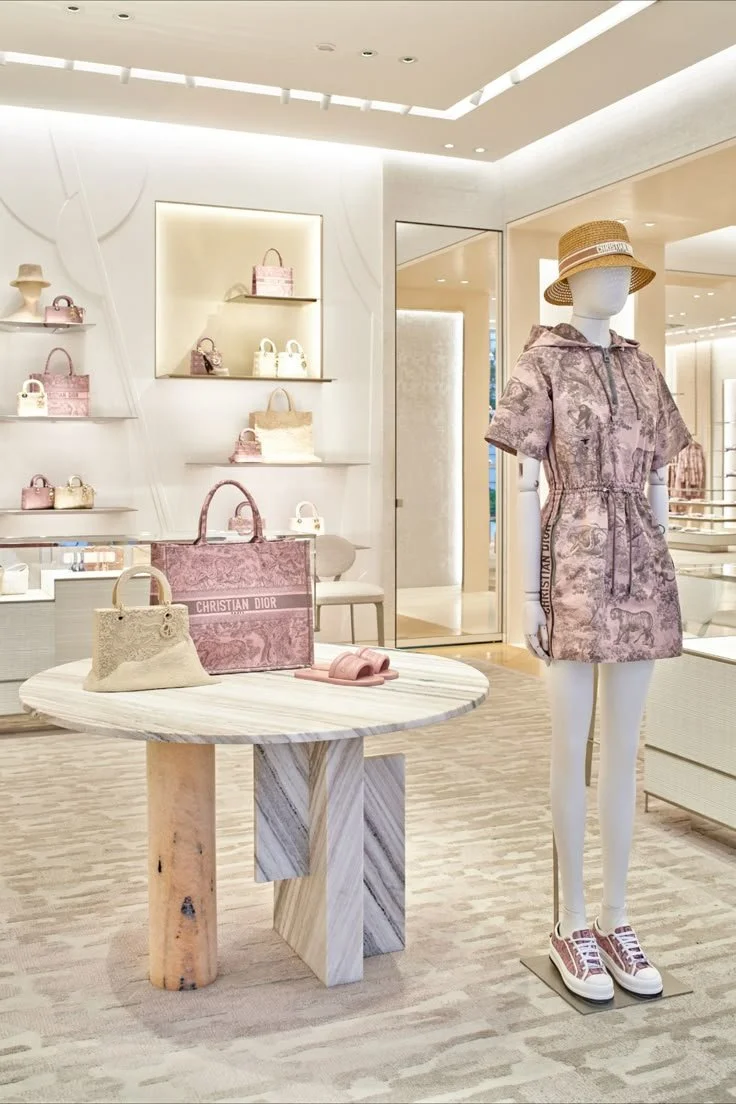
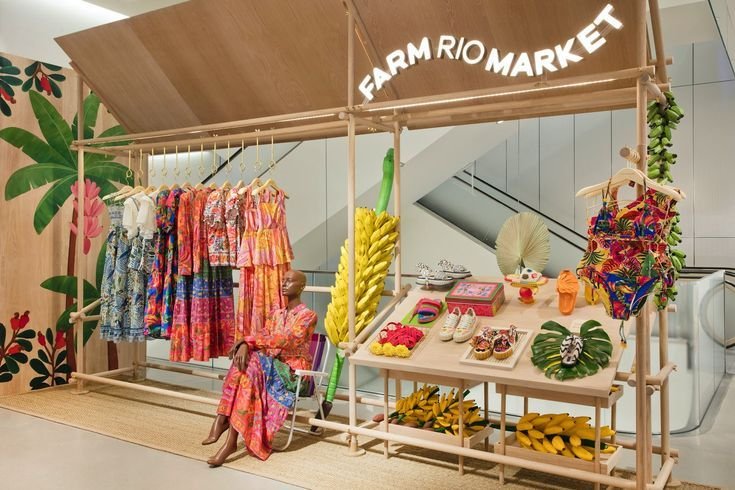
An immersive, coherent retail environment is not the product of good taste applied on the day perception or mood. It is the product of a specific competence: translating a brand's identity into three dimensions and sell products trough silent senses. This is the quiet work of store design and visual merchandising and it is what I was invited to talk about recently on Pitch, CNN Portugal's brand and content programme.
Materials, lighting, composition, the allocation of products, the logistics a retail space quietly demands - none of it is accidental in a store that works.
It is the difference between a room full of products and a space that makes a costumer feel something. This is why the role is, in the most literal sense, an invisible marketer and an invisible salesperson: it communicates without ever announcing itself.
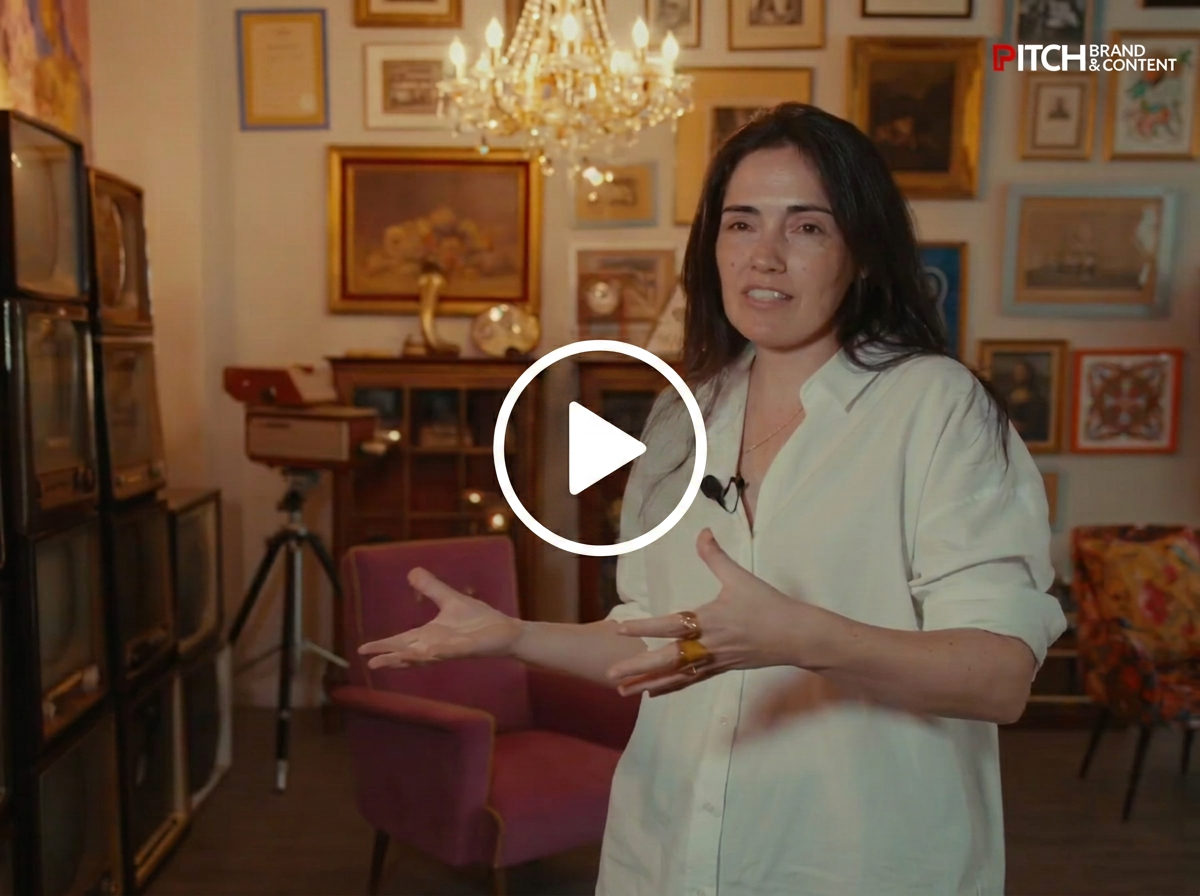
"Every decision in store design is intentional - from the choice of materials to how products are arranged and composed - not only to serve a logistical purpose, but to convey the values and pillars of the brand."
Episode aired 1 August - the full segment is available on YouTube
The most human touchpoint we have
Tv Shows that put this work on screen trully matter, precisely because they make visible a craft that succeeds by being invisible.
The more the market understands what store design actually does, the more it will look for the people qualified to do it. And that demand is coming: as brands compete less on product and more on experience, the ability to translate identity into space becomes a scarce, decisive skill.
"I believe the physical space will always be a fundamental point of contact - because beyond all the metrics, beyond all the numbers, at the end of the day it is always about people, and what a space makes them feel."
That is the part no algorithm replaces. The store is where a brand stops describing itself and starts being experienced.
The professionals who can shape that experience - deliberately, commercially, and with real craft - are not a decorative afterthought to retail. They are becoming one of its most important assets.
At STEER, this is the discipline we teach: the thinking that turns a retail space into a commercial and emotional argument for the brand, without ever losing sight of the logistic need in a productive retail space.
